



MICROSERVICES
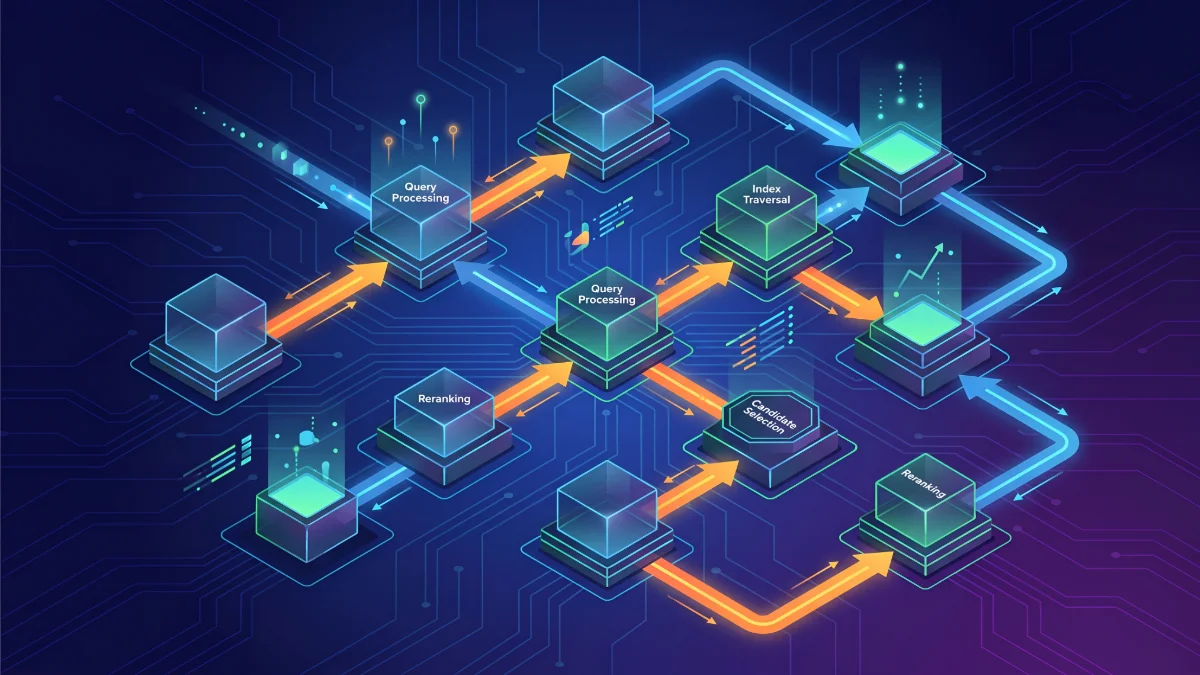
The microservices architecture, increasingly preferred in the world of cloud computing, is a modern approach that enables applications to be developed as small, independent services. In response to the question what is microservices architecture, it can be defined as decomposing large and complex applications into smaller, manageable, and independent components. Each service can operate independently and communicates with other services via APIs.
What Is Microservices?
Microservices architecture, together with the concept of Container as a Service, represents a cloud service model that enables developers to build, run, and manage container-based applications. The most effective way to implement microservices architecture is through CaaS. With this model, developers can focus directly on application development without dealing with infrastructure management. When used together with microservices architecture, CaaS makes systems more scalable, flexible, and resilient. Especially in high-traffic applications, the ability to scale each service independently provides a significant advantage. At the same time, thanks to fault isolation, an issue in one service does not impact the entire system.
Today, the use of microservices and CaaS has become almost standard in high-performance projects such as e-commerce, finance, and SaaS platforms. When combined with the DevOps culture, this approach accelerates continuous integration and continuous delivery (CI/CD) processes, helping teams deliver software faster, more securely, and with fewer errors. It also enhances system flexibility, enabling easier adaptation to changing business needs. If you would like to support your projects with this innovative approach, you can explore GlassHouse’s CaaS services.