


What Does Data Pipeline Mean?
What Does Data Pipeline Mean?
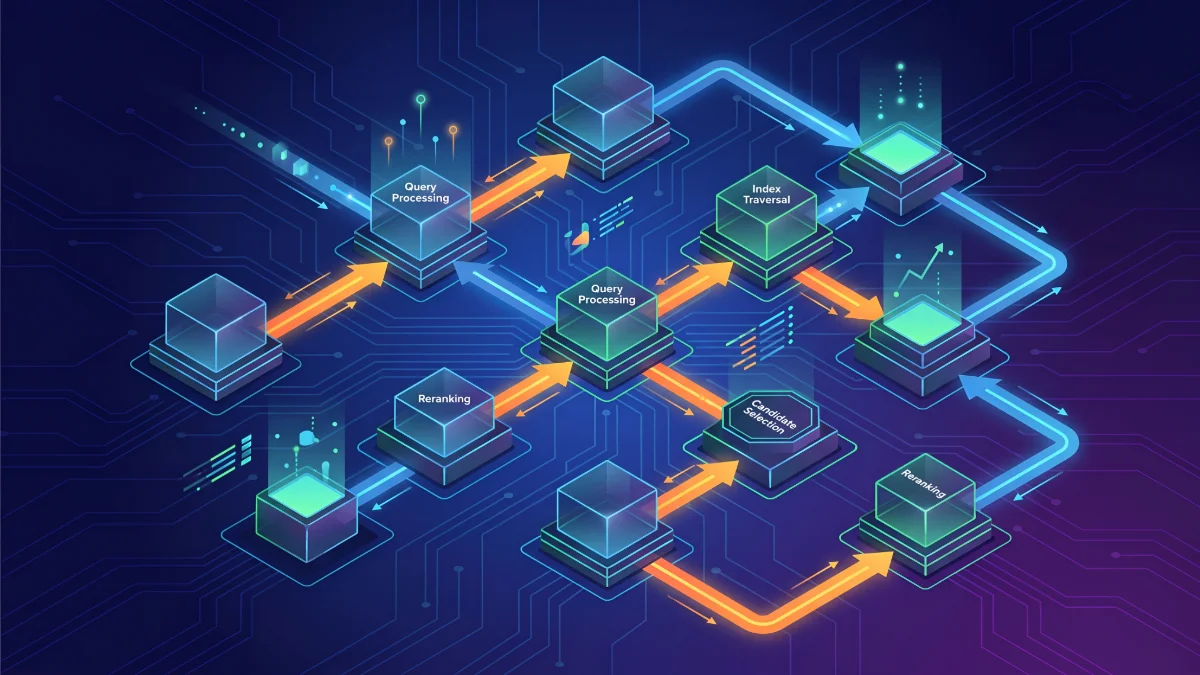
Data pipeline refers to a structure in which the processes required to transform raw data into usable and meaningful information for a system are carried out in a defined sequence. This concept can include different stages such as collecting, transferring, cleaning, transforming, enriching, and delivering data to a target system.
The structure of a data pipeline may vary depending on the data sources used and the requirements of the project. In a simple structure, data may be collected from a single source, cleaned, and transferred directly to the target system, while more advanced structures may require data from different sources to be combined, validated, and classified according to specific rules. For example, if customer data, application logs, and documents are to be used within the same system, each data type may need to undergo a different process. At this point, clearly defining each stage of the data pipeline makes it easier to control the data flow and rerun specific steps when necessary. In addition, recording the operations performed throughout the pipeline helps monitor data quality and identify the source of potential errors more quickly. In this way, data becomes more than an element transferred from one system to another and is transformed into a reliable resource that can be used directly in analytics and artificial intelligence applications.
Why Is a Data Pipeline Important?
Since data sources can be highly diverse in modern software and artificial intelligence applications, it is important to manage these processes in an automated, observable, and scalable manner. For example, in an artificial intelligence application, collecting documents from different sources, removing unnecessary sections, converting them into appropriate formats, and then transferring them to a database can form a data pipeline. In machine learning projects, a data pipeline may have a more comprehensive structure extending from the preparation of training data to deploying the model into a production environment. A well-designed pipeline enables data quality issues to be identified early and processes to be carried out in a repeatable manner. Observability is also one of the important characteristics of a data pipeline. When it is possible to track which data entered the system, when it entered, which processes it passed through, and where an error occurred, identifying issues becomes easier.
You can also explore GlassHouse's AI Platform as a Service services to access enterprise artificial intelligence solutions for your company.