



What Is a Data Center and What Does It Do?
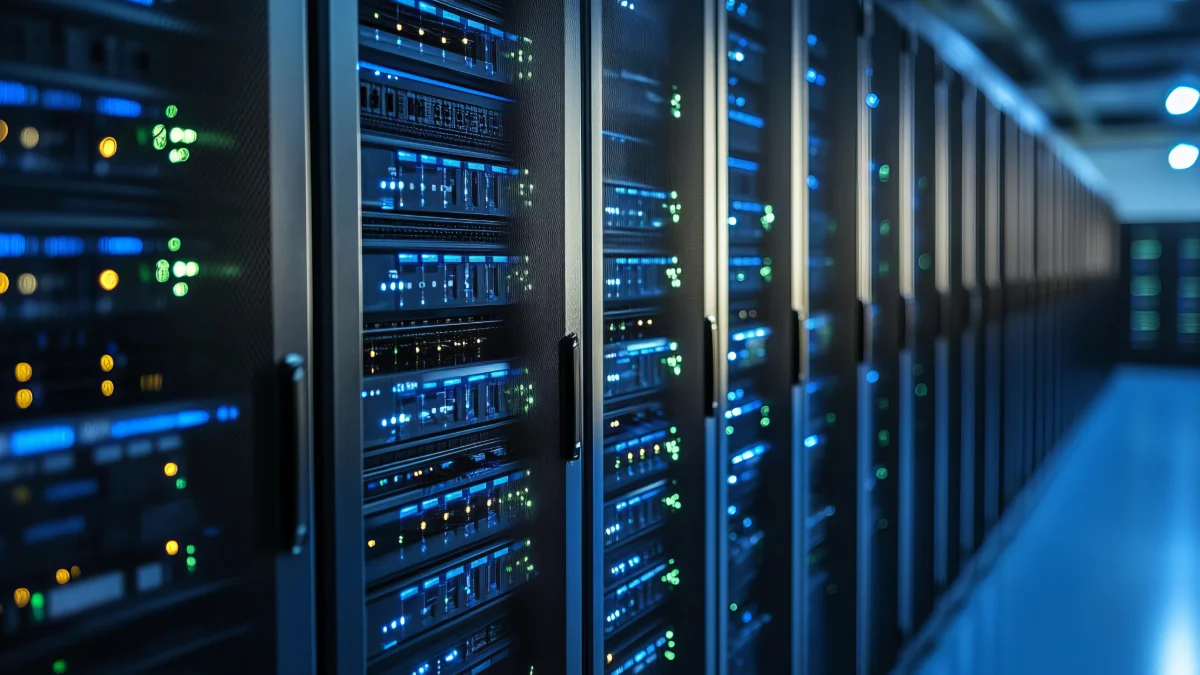
In the digital world, every click, every transaction, and every data movement is stored and processed somewhere. This is where data centers come into play. Considered the heart of an organization’s information infrastructure, a data center forms the foundation of both operational continuity and data security. A data center refers to physical or virtual environments where servers, data storage systems, network equipment, and related infrastructure are consolidated, and where data is processed and stored. Data centers ensure that mission-critical workloads and data are hosted and processed within a secure, redundant, and highly available (High Availability) infrastructure. We have answered the most frequently asked questions such as what is a data center and how it is built.
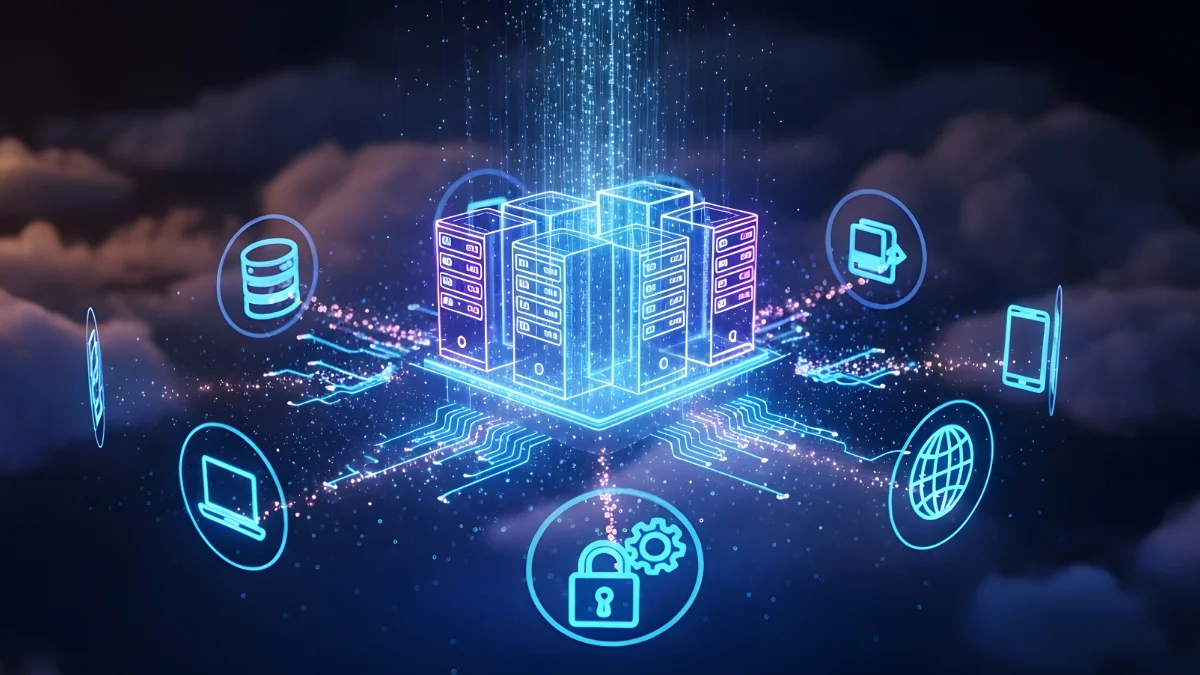
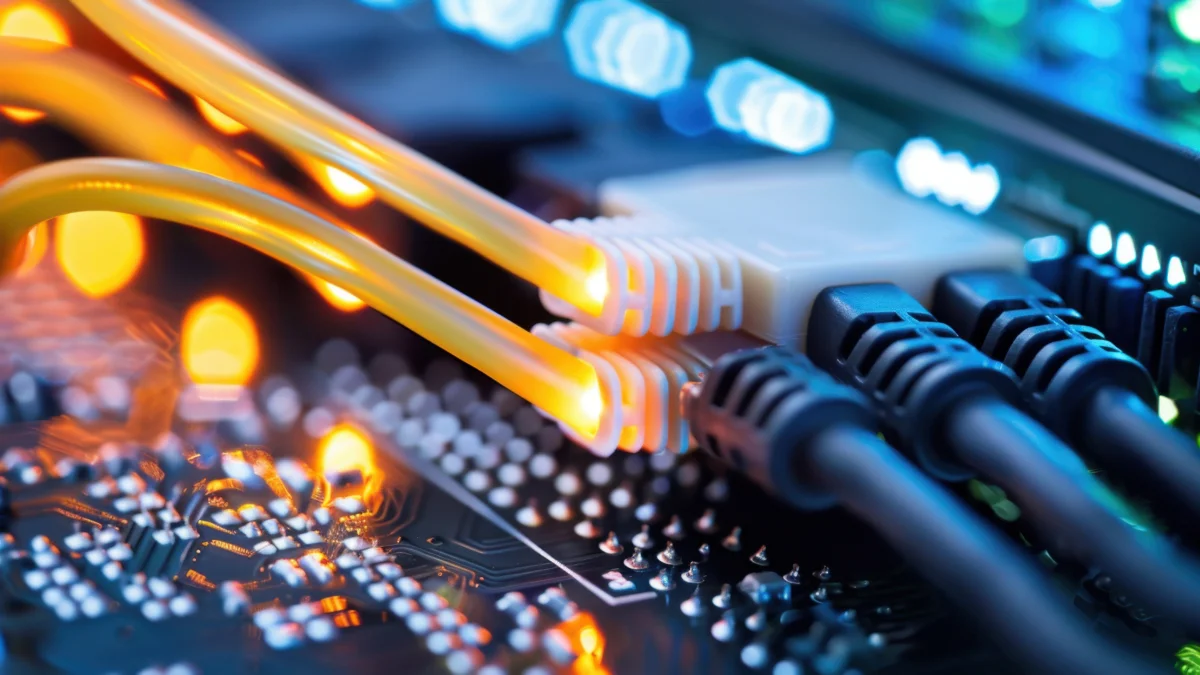
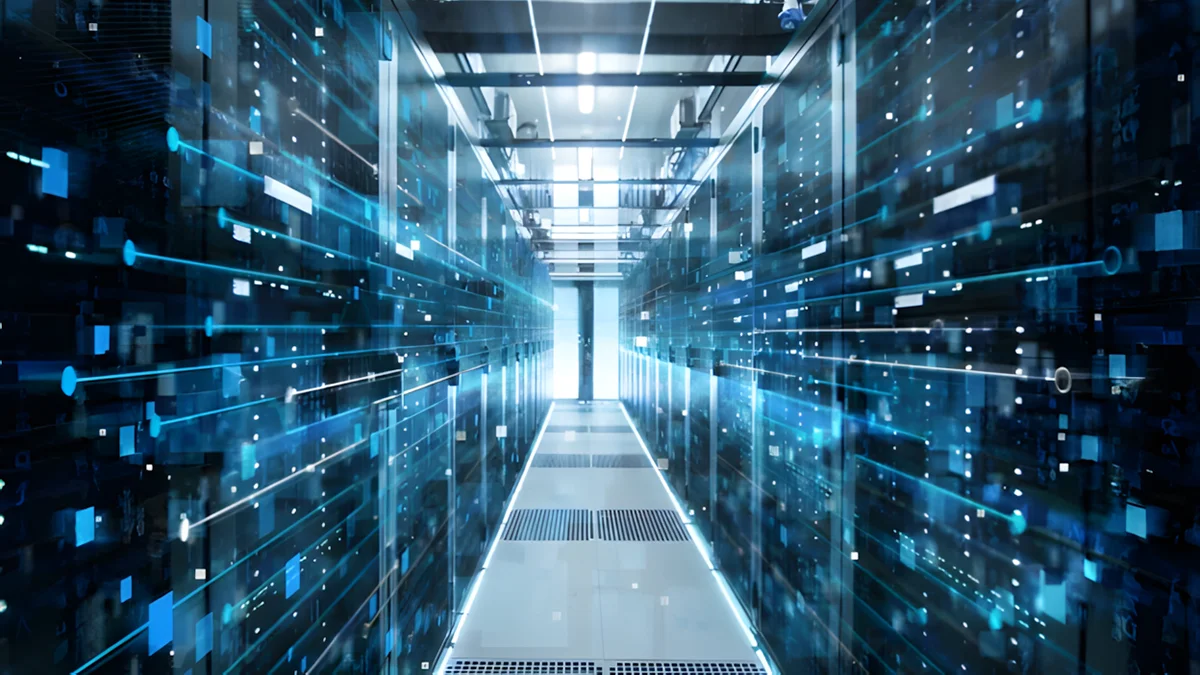
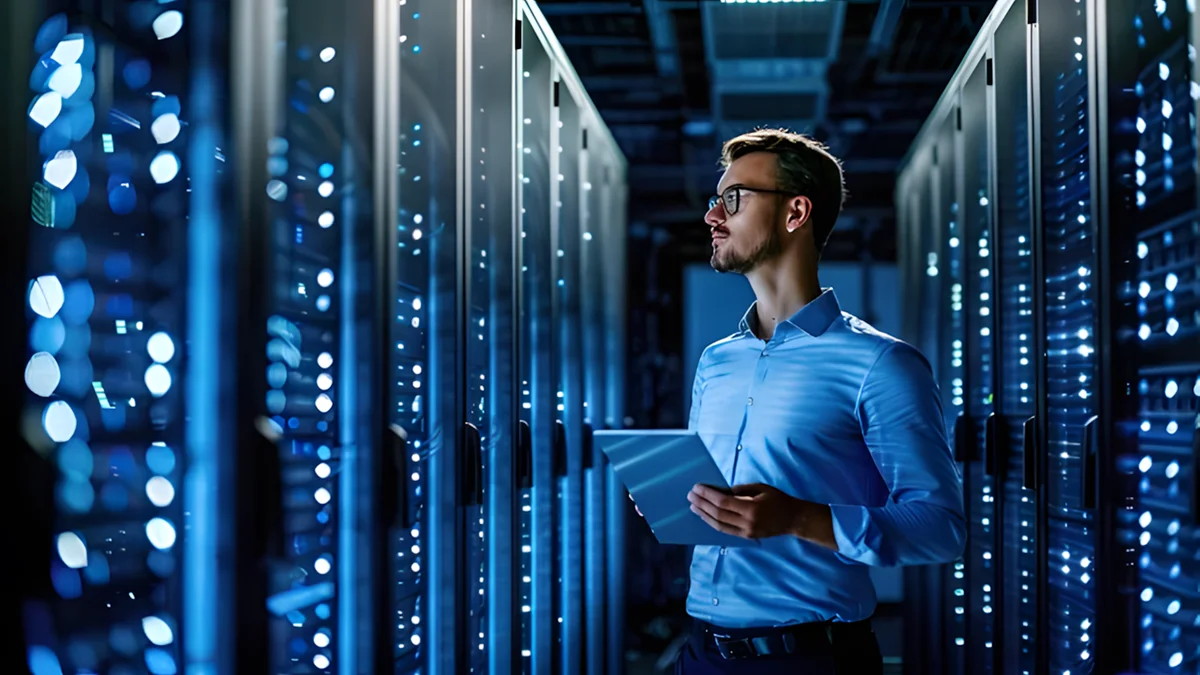
A data center, or data center, is a physical or virtual environment that hosts the entire digital infrastructure of an organization or service provider. A physical data center architecture primarily consists of high-performance servers (Server), data storage units (Storage), network hardware (Network), uninterruptible power supplies (UPS), cooling systems (HVAC), and backup infrastructures. A data center performs many critical functions that ensure the seamless operation of modern digital systems. For example, data storage and management are among its core functions. All critical data is stored in a centralized location and can be accessed quickly when needed. In addition, data centers are essential for business continuity and uninterrupted service delivery. Through data centers, mission-critical applications and enterprise systems operate without interruption; disaster recovery systems and backup architectures that ensure business continuity against potential hardware failures or disaster scenarios come into play. In both physical and Software-Defined virtual data center architectures, data security is maintained at the highest level; enterprise data is protected end-to-end through advanced cybersecurity firewalls and cryptographic encryption technologies. Furthermore, data centers are highly valuable in terms of performance and scalability. Server capacity, storage, and network resources can be rapidly scaled in response to increasing data traffic and processing demands. Additionally, with cloud-based data centers, users can securely access data from anywhere in the world. To leverage Dell Technologies’ industry-leading server, storage, data protection, and hyper-converged systems with GlassHouse expertise, explore our data center infrastructure solutions now!
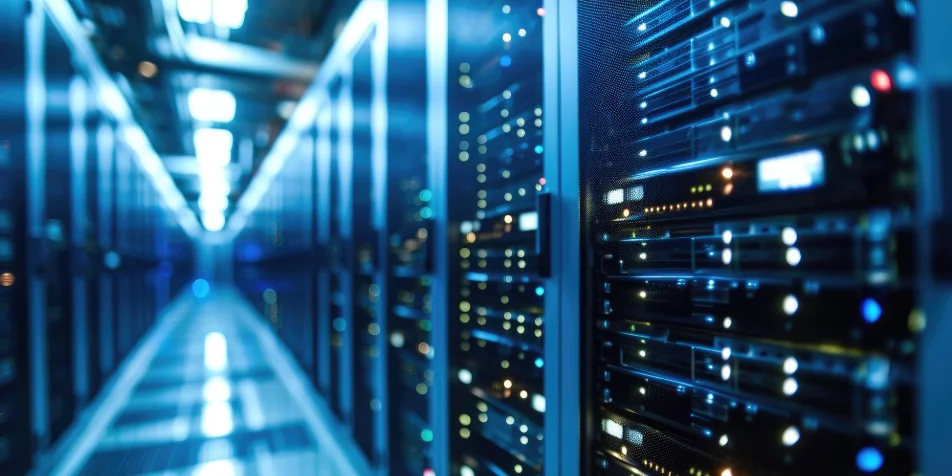
Data Center Deployment
A data center deployment is not merely about purchasing hardware; it requires strategic planning and the right infrastructure. The following steps provide a comprehensive answer to the question how to build a data center:
- Before deployment, a thorough needs analysis must be conducted. The organization’s data volume, traffic intensity, and growth objectives should be clearly defined. This stage forms the basis of capacity planning.
- Location is also a critical factor in data center deployment. Key considerations such as seismic risk analysis (earthquake risk), access to redundant power lines, fiber optic network diversity, and strict physical security protocols must be carefully evaluated.
- The next step involves designing the data center infrastructure. Components such as electrical systems (UPS, generators), cooling systems (HVAC), network infrastructure, and physical security must be designed to ensure uninterrupted operation. Several globally recognized standards can be used as references during this phase. Uptime Institute Tier Standards (Tier I–IV), EN 50600 series, and ASHRAE cooling guidelines are among the key industry benchmarks.
- Regulatory and compliance assessment is also critically important before deployment. Compliance ensures that the data center adheres to legal requirements, data privacy regulations, security standards, and operational guidelines. These regulations vary by location and must be carefully considered. In Türkiye, KVKK (Personal Data Protection Law) is a primary regulation; globally, GDPR, HIPAA for healthcare, and PCI DSS for financial data security are among the most significant frameworks.
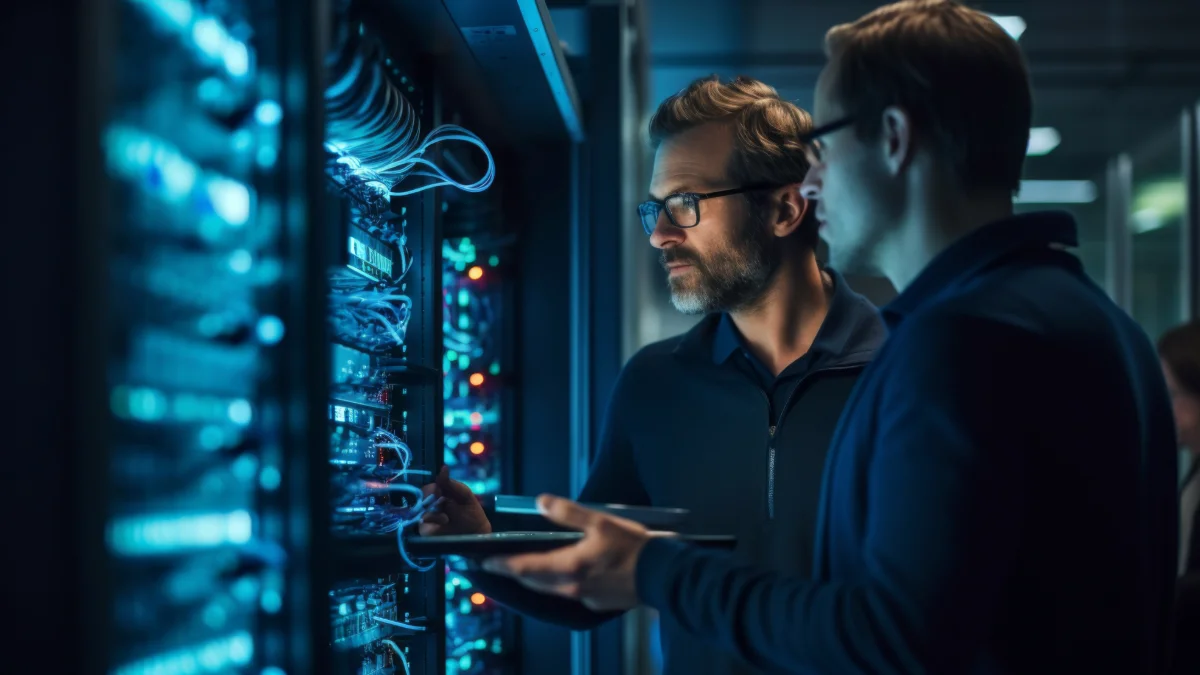
- In the next phase, hardware and software installation is carried out. Servers, storage units, virtualization systems, and management software are deployed. During this critical stage, rack cabinet installation, structured cabling, hardware configuration, virtualization layer implementation, and integration testing are performed by expert teams.
- During the network topology phase, the internal (LAN) infrastructure is established, a redundant network architecture is designed, external network (WAN) integrations are completed, and firewall configurations are applied to securely expose the system.
- Once all deployment processes are completed, continuous 24/7 monitoring under Managed Services is required to proactively identify potential bottlenecks and hardware failures.
Do you want to migrate your existing IT infrastructure to a different location—physically and/or virtually—without data loss or downtime? You can get support from the GlassHouse professional team for planning and executing these processes. Click for our data center migration service! You may also be interested in our content where we cover the migration (data center relocation) process.
The Importance of Data Centers for Businesses
Today, data has become one of the most valuable assets for businesses. Customer information, financial records, operational data, and digital services are at the core of all business processes. At this point, data centers stand out as a critical component that sustains an organization’s digital infrastructure. Moreover, data centers are no longer just an IT concern; they are a vital part of all business units. For enterprises, data centers are essential for ensuring business continuity, safeguarding data security, enabling uninterrupted digital services, and supporting scalable growth. You may also be interested in our content on data mining!