






Key Features of VPC
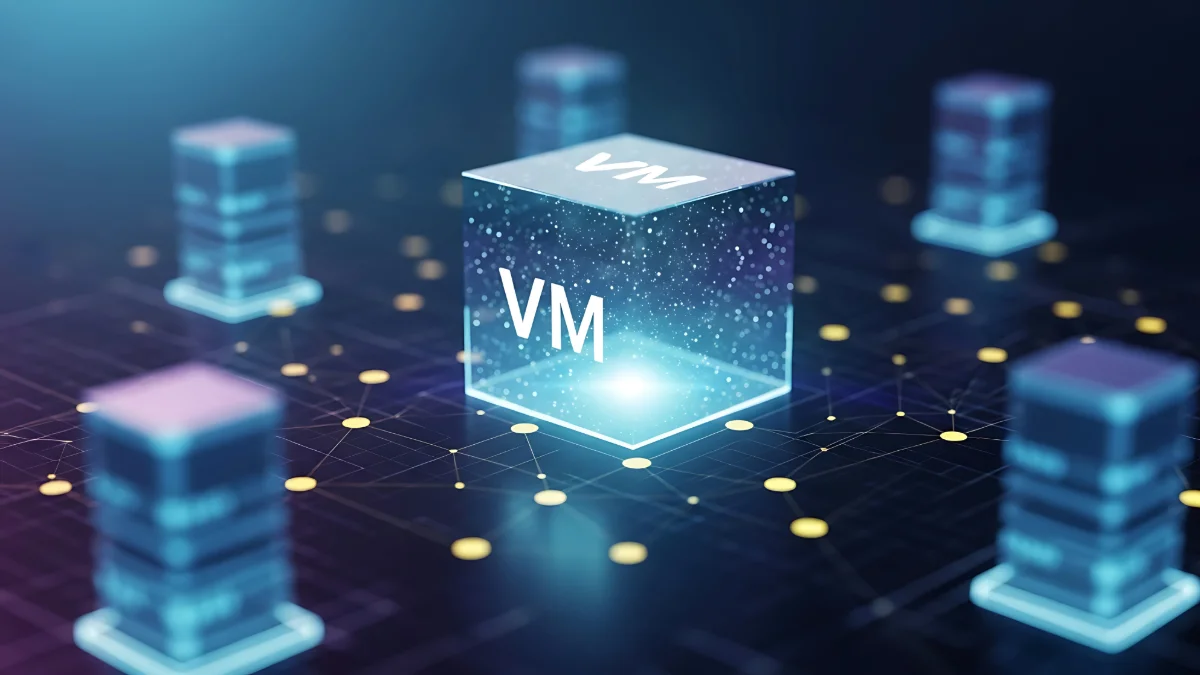
VPC (Virtual Private Cloud) is a private network environment logically isolated from other users on a public cloud infrastructure. This private cloud located in a virtual environment is extremely ideal for businesses that require high-level security measures, especially where sensitive data is processed. When your data is positioned within a VPC, network traffic is isolated from the public internet and becomes accessible only through the private network rules you define. This state, which means virtual private cloud isolation, is achieved through private IP addressing, subnet segmentation, and security policies (security rules). In other words, the answer to the question what is a VPC can be given as an isolated and manageable virtual network layer reserved specifically for you on a public cloud provider. By continuing to read, you can learn about the features of VPC (Virtual Private Cloud), when it might be preferred, and the fundamental differences between it and a private cloud.
It is possible to see the list of basic features prepared for those wondering the answer to the question, what is a Virtual Private Cloud, below. With this list extending from network isolation to scalability, you can access details about the most fundamental components of the virtual private cloud (VPC) concept.
- Network Isolation: VPC creates a private network space completely separated from the resources of other users. In this way, your systems become accessible only within the framework of the rules you define.
- Private IP Addresses: Private IP addresses can be assigned to resources located within a VPC. This structure both facilitates the control of internal network traffic and ensures the secure management of external access.
- Security Groups and Firewalls: Traffic rules can be defined in detail with security groups and firewall configurations. Which IP can access which port and with which protocol is clearly controlled.
- Scalability: Network resources can be rapidly scaled up or down depending on needs. This flexibility makes VPC advantageous for variable traffic and workloads.
- Cloud Integration: VPC works integrated with other services offered by the cloud provider. Services such as load balancing, backup, monitoring, and database services can be easily included in the VPC structure.

In Which Scenarios is VPC Preferred?
p>As mentioned above, VPC is preferred for users who want to work in a public cloud environment but desire more say in network security, control, and customization. The VPC structure comes to the fore especially when where data resides, who can access which systems, and how network traffic is managed gains importance. For example; a website or application may be receiving low traffic in the initial phase. However, as the number of users increases over time, it will be inevitable for the system to need more resources. Here, VPC offers the opportunity to gradually expand the existing structure without changing the infrastructure from scratch in such scaling scenarios.
Another common scenario where VPC usage is seen is situations where multiple systems need to work within the same network but in a controlled manner. It may be desired to keep web servers, databases, and application services closed to the outside world while they communicate with each other. Thanks to VPC, these systems are positioned within the same private network, and only necessary access is permitted. In addition to all these, VPC is frequently preferred in projects where security and compliance requirements are high. In finance, e-commerce, or platforms processing user data, the traceability and manageability of network traffic are of great importance. In such structures, it must be clearly defined who can access which resources, and VPC offers an ideal environment for this.
Finally, it is possible to say that test and development environments are also areas where VPC usage is frequently seen. It offers an isolated network environment to try new features, test different configurations, or create temporary projects without affecting live systems. When the work is done, these resources can be easily shut down.
Differences Between Private Cloud and VPC
In the table below, private cloud and virtual private cloud are compared in terms of cost, flexibility, management burden, and security perception. The main differences between the two deployment models are as follows:
| Comparison Criteria | Private Cloud | VPC |
|---|---|---|
| Cost | Requires high initial costs. Hardware, license, and installation expenses belong to the user. | Offers lower initial cost thanks to the pay-as-you-go model. |
| Flexibility | Resource increase or decrease takes time and requires additional planning. | Can be quickly scaled according to need and adapted instantly. |
| Management Burden | Installation, maintenance, and updates of the infrastructure are entirely the user's responsibility. | A large part of infrastructure management is undertaken by the cloud provider. |
| Security Perception | Generally considered more secure due to physically separated structure. | Offers high security with isolated network structure and advanced security controls. |
In addition to the answer to the question what is a Virtual Private Cloud, our article titled What is VPS? About VPS Types and Usage might also interest you.