


The Concept of Information Technologies
Information technologies is a broad concept that encompasses all hardware and software systems used in the processes of collecting, processing, storing, and transmitting data. Today, the field of information technologies and software, which plays a significant role in the lives of everyone from individuals to large-scale enterprises, is also one of the fundamental building blocks of digital transformation for businesses. Let’s take a closer look at topics such as what information technologies are, what they cover, and their importance.
Information technologies enable computers, servers, network systems, software, and data management tools to work together to transform data into meaningful information. Frequently referred to by the abbreviation IT, the concept of information technologies is not limited to the technology sector; it is widely used across industries such as healthcare, education, finance, manufacturing, communications, and public services. Through information technologies, organizations can increase efficiency, accelerate numerous business processes, and make their information management systems more secure. Click to access the network and security solutions your business needs with the GlassHouse advantage!

Scope of Information Technologies
The field of information technologies has a very broad scope. The main components of information technologies can be listed as follows:
Hardware
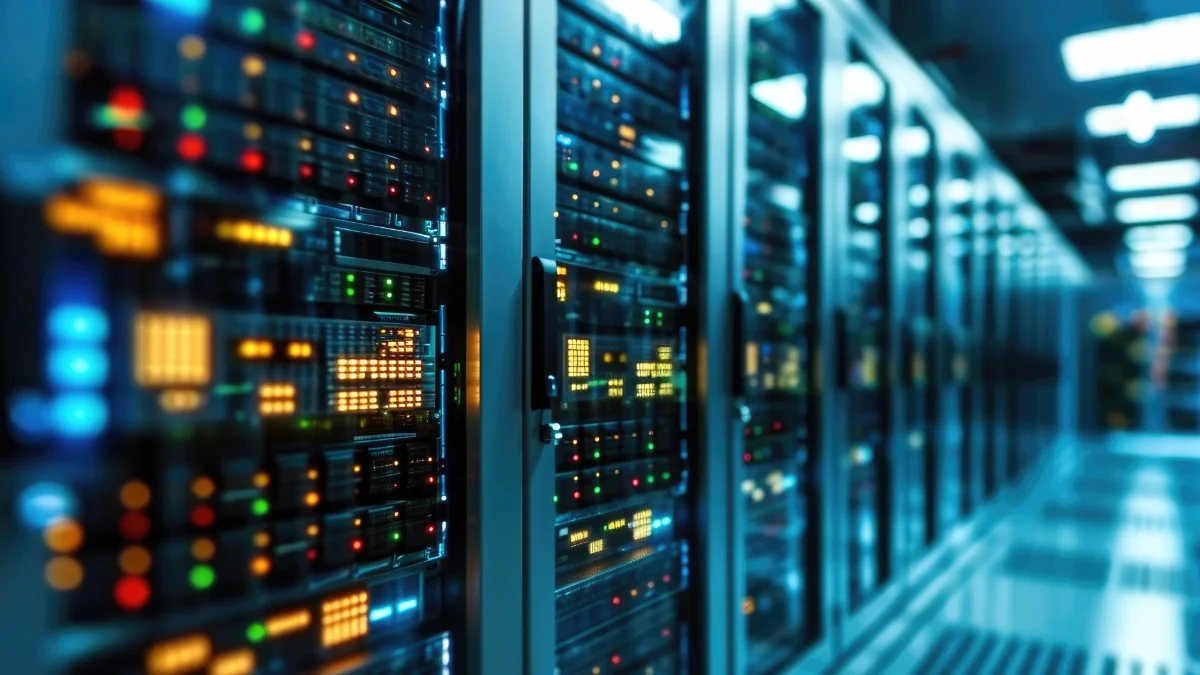
Hardware forms the physical foundation of information technologies and includes all devices that can be seen and physically handled. Computers, servers, data storage units, modems, routers, and network equipment fall under the hardware category. These components provide the infrastructure required for processing and storing data; in other words, the ability of software to run and systems to operate smoothly depends not only on hardware performance and capacity but also on software and system architecture.
Software
Software consists of programs that enable hardware to function and act as a bridge between the user and the device. Operating systems such as Windows, macOS, and Linux, mobile applications, enterprise software, and data analytics tools can be evaluated within this scope. Through software, users can create, edit, and analyze data; at the same time, business processes can be automated, significantly increasing efficiency.
Network and Communication Systems
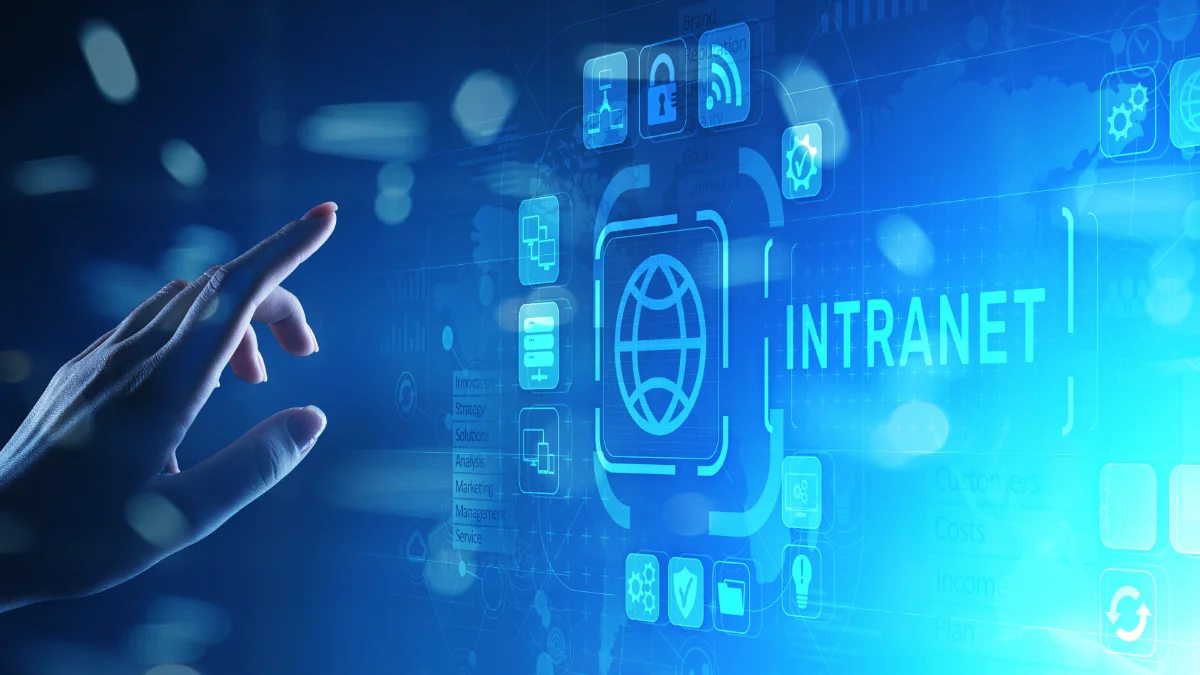
Network and communication systems enable different devices to connect and exchange data with one another. Structures such as the internet, intranet, LAN, and WAN form the foundation of this component. Through these systems, information can be transmitted from one end of the world to the other within seconds. In addition, internal communication and data sharing within organizations can be carried out securely and efficiently.
Services
IT services encompass human-, process-, and service-oriented activities that ensure all these technological components operate continuously and efficiently. Technical support, system maintenance and updates, cloud services, cybersecurity services, and managed services can be evaluated under this category. For organizations, IT services are not only about troubleshooting; they also play a critical role in ensuring business continuity, increasing operational efficiency, and turning technology into a strategic advantage. With Infrastructure as a Service, procure and use all IT infrastructure resources for your workloads in a fully managed way via GlassHouse Cloud. Click for more information!
Cybersecurity
Cybersecurity includes all methods and technologies aimed at protecting information systems and data against unauthorized access, attacks, and data breaches. Firewalls, antivirus software, encryption techniques, and authentication systems fall within this scope. With the increasing number of data breaches today, cybersecurity has become not only a technical necessity but also a strategic priority for organizations. If you wish, you can strengthen your defense against cyberattacks with the cyber recovery service offered with the GlassHouse advantage and tailored specifically to your business. Also, check out what you need to know to protect your business against cyberattacks!
The Importance of Information Technologies
We now understand the answer to the question what the field of information technologies is. So where does the importance of information technologies come from? Information technologies play a critical role not only in the business world but also in everyday life. For example, IT enables fast interpersonal communication. Instant communication becomes possible through email, messaging applications, and video conferencing tools. In line with the fundamentals of information technologies, IT also automates business processes, saving time and costs. In addition, it supports faster and more accurate decision-making through data analytics. At the same time, concepts such as e-commerce, digital marketing, and remote work have become part of our lives thanks to IT, demonstrating the power of the field to create new business models.
Use Cases of Information Technologies
Use cases of information technologies can be listed as follows:
- Healthcare: Patient record systems, telemedicine applications
- Finance: Online banking, digital payment systems
- Education: Distance learning platforms
- Retail: E-commerce websites and inventory management
- Manufacturing: Automation systems and smart factories