





What is PCI/DSS Certification?
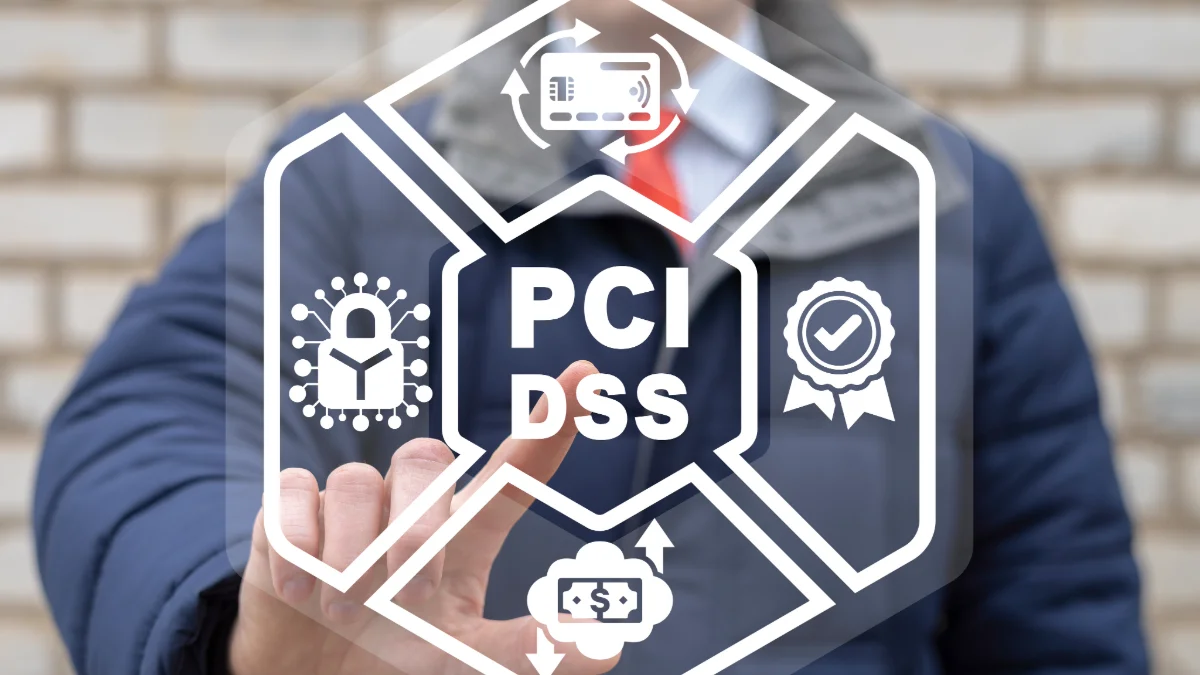
A global security solution and compliance standard developed to ensure the protection of credit card data, the PCI/DSS certification—including its definition, advantages, use cases, levels, and compliance process—can be explored in detail in this article. You can find comprehensive answers below to questions such as what is PCI/DSS certification, what are its compliance requirements, and what capabilities it brings to IT infrastructures, all of which play a critical role in data security strategies.
PCI/DSS, which stands for Payment Card Industry Data Security Standard, is a set of standards established by global financial authorities such as Visa and Mastercard to regulate information security processes. Designed to protect cardholder data, ensure cybersecurity in payment infrastructures, and prevent data breaches, this standard is a critical requirement for all organizations involved in the end-to-end payment ecosystem that process such data. Therefore, this certification applies to all businesses that store, process, or transmit credit card data. These include not only banks but also e-commerce platforms, payment infrastructure providers, SaaS-based e-commerce solutions, call centers, and data center companies.

How to Obtain PCI/DSS Certification?
So, how is PCI/DSS certification obtained? While the process varies depending on how the business interacts with credit card data, it requires following a structured set of steps. First, the organization must determine its PCI/DSS level (Level 1, 2, 3, or 4). This level varies based on annual transaction volume, data processing methods, and infrastructure. The next step involves conducting a comprehensive "Gap Analysis" to assess how well the existing IT infrastructure and operational processes align with PCI DSS requirements. This analysis identifies deficiencies, security vulnerabilities, and areas that require improvement. Following this, necessary technical and operational measures are implemented to ensure data security. This includes addressing areas such as network security, data encryption, access control, logging, and regular security testing. Depending on the organization’s level, the validation process is completed either by filling out a Self-Assessment Questionnaire (SAQ) or through a comprehensive audit conducted by an authorized auditing body. Large-scale enterprises typically undergo on-site audits, whereas smaller businesses may complete the process through self-assessment. Once all requirements are met, compliance is validated, and the organization becomes PCI/DSS compliant. However, this is not a one-time process; regular security checks, system updates, and annual validation are required to maintain compliance.
Is PCI/DSS Mandatory?
When it comes to regulations affecting organizations that process or store credit card data, one of the first questions IT managers ask is whether PCI/DSS is mandatory. Technically, PCI DSS is not a law or a regulation directly enforced by governments. However, it is considered de facto mandatory for all businesses handling credit card data. The primary reason is that organizations such as Visa and Mastercard, which underpin card payment systems, require compliance with this standard. If a business stores, processes, or transmits credit card data, its partner banks and payment providers will expect it to be PCI/DSS compliant. Failure to comply can result in severe penalties, including substantial fines, transaction restrictions, or even the complete revocation of the ability to accept card payments. For e-commerce platforms, payment infrastructure providers, and financial institutions, PCI/DSS compliance is not only a security measure but also a critical requirement for business continuity. Even small businesses must meet certain PCI DSS requirements, even if their payment infrastructure is managed by a third-party provider.
In summary, while PCI DSS is not a legal obligation, it is an industry-mandated security framework that must be adhered to due to ecosystem requirements and business partnerships, with significant consequences if neglected.
Where is PCI/DSS Certification Used?
PCI/DSS compliance has become a standard in businesses operating in the finance and banking sectors. Therefore, this certification is almost mandatory for e-commerce websites using virtual POS systems, payment institutions, POS device providers, banks, online payment service providers, payment gateways, and data centers hosting servers that store credit card information.
What are PCI/DSS Certification Levels?
PCI/DSS levels can be seen in the list below.
- Level 1: Organizations that process more than 6 million card transactions annually fall under PCI/DSS Level 1 certification.
- Level 2: Organizations processing between 1 million and 6 million transactions annually fall into this category.
- Level 3: Organizations processing between 20,000 and 1 million transactions annually are considered Level 3 PCI/DSS compliant.
- Level 4: Organizations processing fewer than 20,000 transactions annually fall under Level 4 certification.
You may also be interested in our article titled What is a Hacker? Its Importance for Corporate Data Security.
Frequently Asked Questions
Who needs PCI/DSS certification?
PCI/DSS certification is required for all businesses that store, process, or transmit credit card data. This includes e-commerce platforms, banks, payment infrastructure providers, SaaS platforms, and call centers.
Can payments be accepted without PCI/DSS certification?
Technically, it is possible but not recommended. Banks and payment providers typically require PCI/DSS compliance. Without compliance, risks such as penalties, transaction restrictions, and revocation of payment acceptance privileges may arise.
How long does it take to obtain PCI/DSS certification?
The duration depends on the size of the organization and its existing infrastructure. It may take a few weeks for small businesses, while for large enterprises it can take several months due to audits and remediation processes.
Does PCI/DSS compliance need to be renewed annually?
Yes. PCI/DSS compliance is not a one-time process. Organizations must perform annual validations, keep security controls up to date, and undergo regular audits.