





What is the PMP Certification?
For professionals looking to build a career in project management or take their existing expertise a step further, certifications serve as an important guide. In particular, PMI PMP and PRINCE2 are among the most recognized and preferred project management approaches globally. However, these certifications differ in terms of their scope, target audience, and the advantages they offer. In this article, we examine in detail what PMP and PRINCE2 certifications mean, the fundamental differences between them, and which certification is more suitable for whom.
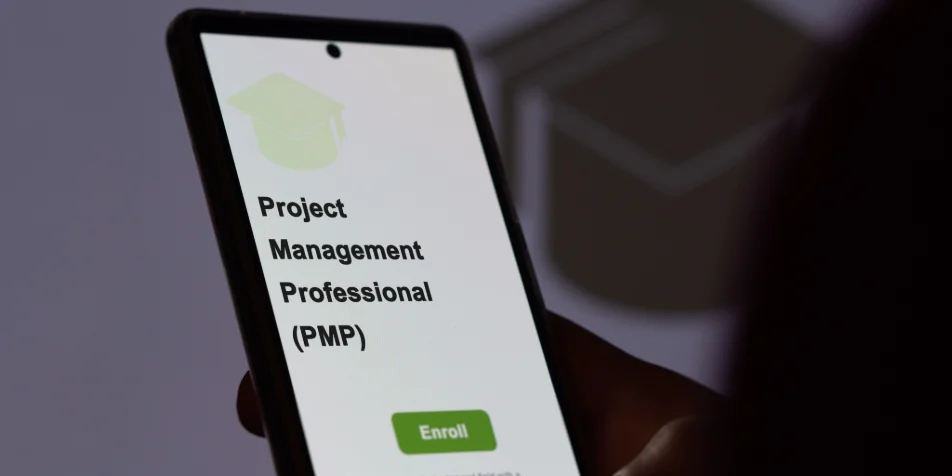
The PMP certification, issued by the PMI (Project Management Institute), is one of the most widely recognized and prestigious project management certifications in the world. Providing significant advantages for professionals aiming to pursue a career in project management in most countries, the PMP certificate has global validity. As a valuable credential for signaling strong seniority on a CV, this certification contributes positively to a person's salary and career expectations. Rather than dictating a specific methodology, PMP certification focuses on project management Process Groups, Performance Domains, and leadership competencies. The PMP curriculum is based on PMI’s current PMBOK (Project Management Body of Knowledge) guide, agile practice guides, and process group practices. The exam structure covers predictive, agile, and hybrid approaches, measuring the candidate’s situational judgment and strategic business intelligence rather than just theoretical knowledge.
How to Obtain the PMP Certification?
To obtain this certification provided by the Project Management Institute, specific education, experience, and examination requirements must be met. The PMP process is not just an exam; it aims for the candidate to prove their project management competency. To apply for the PMP certification, one must meet one of the education and experience criteria set by PMI. For bachelor’s degree holders, at least 36 months of project management experience and 35 hours of project management education are required. For high school or associate degree holders, the requirements are at least 60 months of project management experience and 35 hours of project management education. If you meet these conditions, you can manage the application process for the PMP certification program through PMI's official website. Once the application is approved, the exam fee is paid. In the final stage of certification, you take the PMP exam, which, with the 2026 updates, consists of 185 questions, lasts 240 minutes, and is enriched with case studies. Exam questions cover predictive, agile, and hybrid project approaches and are scenario-based. The PMP certification is valid for a 3-year cycle; to keep the certification active, 60 PDUs (Professional Development Units) must be earned within this period under the CCR (Continuing Certification Requirements) program.
Who is the PMP Certification Suitable For?
- Those with at least a few years of project management experience
- Mid-to-senior level project managers
- Those working on international projects in corporate companies
- Professionals who have gained experience specifically in the IT, telecommunications, construction, engineering, and energy sectors
What is the PRINCE2 Certification?
PRINCE2 (Projects IN Controlled Environments) is a product-oriented and structured project management methodology. As a methodology-oriented project management approach of UK origin, PRINCE2 is process and documentation-heavy, unlike PMP. It provides clear steps for the question "How is it managed?" and is particularly common in the public sector and highly regulated industries. Under the current PRINCE2 7 standard, certification consists of two levels: Foundation, which measures the language of the methodology, and Practitioner, which tests the ability to apply the methodology to scenarios. The PRINCE2 certification is globally recognized, just like PMP. However, it is more widely used specifically in the United Kingdom, Europe, and Australia. Unlike PMP, PRINCE2 tends to be a preferred standard in public projects.
How to Obtain the PRINCE2 Certification?
Thanks to its lack of experience requirements and tiered structure, the PRINCE2 certification offers an accessible path for those new to project management. The PRINCE2 certification consists of two main levels: PRINCE2 Foundation covers the core principles, processes, and terminology of the methodology. No experience or prerequisites are required to obtain this certificate. PRINCE2 Practitioner, on the other hand, measures the ability to apply the PRINCE2 methodology to real projects. To obtain this certificate, one must first hold the Foundation certificate. PRINCE2 certifications are provided through education and exam centers authorized by AXELOS. Training can be online or face-to-face. Foundation training usually lasts 2-3 days, while Practitioner training is application-oriented. To receive the certification, one must first apply for the PRINCE2 exam through authorized exam centers. The PRINCE2 Foundation exam consists of multiple-choice questions, and the exam duration is typically 60 minutes. The PRINCE2 Practitioner exam includes scenario and application-oriented questions; the duration is longer, and analytical skills are measured. According to PeopleCert’s current renewal policy, both Foundation and Practitioner certifications are valid for 3 years; they must be renewed at the end of this period through an exam or CPD (Continuing Professional Development) points.
Who is the PRINCE2 Certification Suitable For?
- Beginners in project management
- Those working in the public sector and highly regulated industries
- Those working in European-based companies
- Those who prefer to work with a process and methodology focus
- Those who want to create a foundation before moving on to PMP
PMP and PRINCE2 certifications are two powerful approaches that address different needs and career goals in the field of project management. While PMP targets mid-to-senior level project managers by emphasizing project management experience and professional competence, PRINCE2 offers a structured framework with methodology and process discipline, especially for beginners and those working on highly regulated projects. Which certification is the right choice for you is shaped by your project experience, the sector you work in, and your career goals. You may also be interested in our content where we discuss the importance of digital transformation in businesses!