






How Does Data Science Work?
All analytical processes performed to extract actionable insights from massive volumes of data stored within enterprise architectures are referred to as data science. Through data science and analytics, organizations can deeply process their structured and unstructured data to uncover market trends, perform risk forecasting, and develop data-driven strategies. We have explored the question what is data science in detail for you.
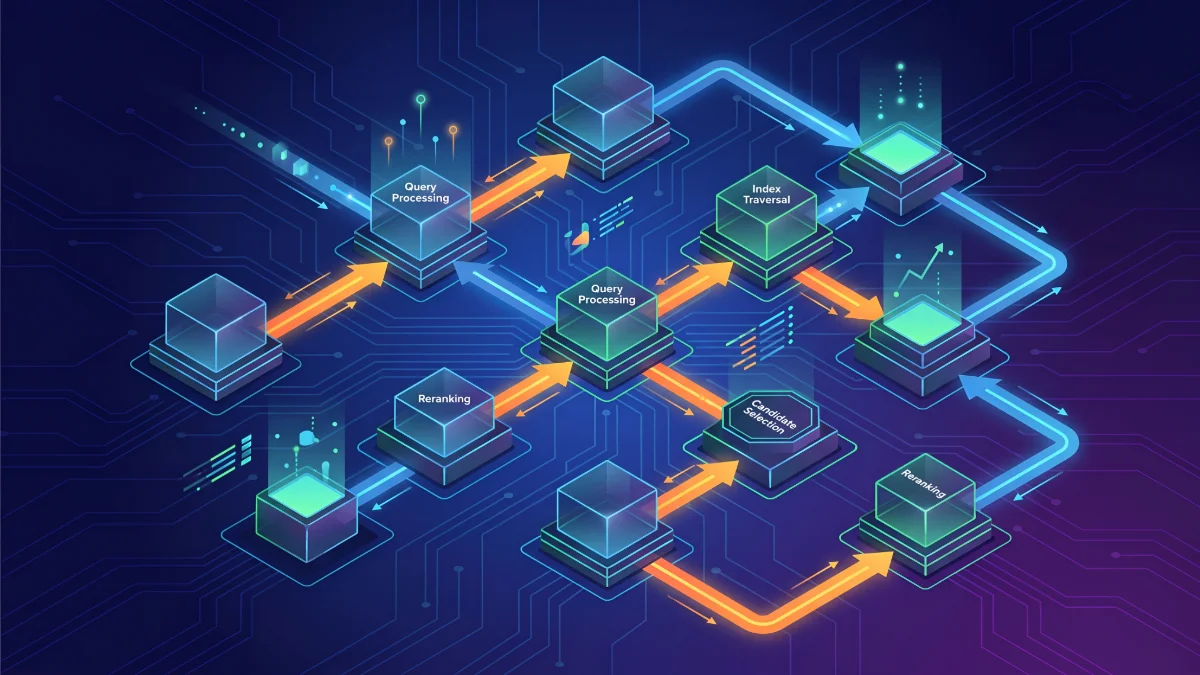
Data science processes typically consist of several core stages. First, data scientists perform data ingestion from heterogeneous sources such as relational databases (RDBMS), IoT sensors, web services, or enterprise applications. The collected raw data pool is then prepared for analysis through data cleansing and preprocessing steps, where incomplete, incorrect, or inconsistent records are removed. In the next phase, advanced statistical methods and machine learning algorithms are used to conduct in-depth exploratory data analysis (EDA) on the datasets and train predictive models. Finally, the analytical outcomes are visualized through Business Intelligence (BI) tools and transformed into actionable insights that support the strategic decisions of executive management.

What Is a Data Scientist and What Do They Do?
Professionals working in the field of data science are called data scientists. So, what does a data scientist do? Experts who manage and interpret data architectures within enterprise IT infrastructures are referred to as data scientists. The fundamental answer to the question of what a data scientist does is that they process large and complex datasets and integrate the strategic insights they obtain into organizations’ decision support mechanisms. These specialists combine advanced statistics, data mining, programming, and machine learning algorithms to detect hidden patterns and anomalies within datasets. To further elaborate on what a data scientist is through operational responsibilities, the primary duties of a data scientist within the enterprise IT ecosystem include:
- Managing the data lifecycle end-to-end and ensuring optimization of related processes.
- Executing data extraction and integration processes from heterogeneous sources within distributed architectures (Cloud, On-Premise, Edge).
- Cleansing, transforming, and standardizing raw data according to algorithmic quality standards (data wrangling).
- Performing advanced statistical analyses and architecturally designing data models aligned with enterprise workloads.
- Developing and training AI-based predictive and classification models to automate business processes.
- Transforming complex dataset outputs into interactive reports through data visualization and Business Intelligence (BI) dashboards.
- Providing data-driven strategic insights to enterprise Business Units to guide growth and efficiency objectives.
Which Tools Do Data Scientists Use?
Data scientists leverage powerful programming languages and data processing platforms throughout their operational processes. Among the most widely used data science tools that form the foundation of data science initiatives are Python, R, and SQL (Structured Query Language). Since programming languages form the core of data science practices, Python, R, and SQL are indispensable tools in this domain. Python, with its rich ecosystem of libraries, is considered the industry standard for machine learning and data manipulation, while the R language is more commonly preferred for complex statistical modeling. SQL remains essential for high-performance querying and management of relational databases (RDBMS). For machine learning and deep analytics processes, powerful Python libraries are typically integrated; Pandas for large-scale data manipulation, NumPy for high-performance numerical computations, and Scikit-learn for algorithmic modeling are widely used. For enterprise reporting and visualization of analytical outputs, industry-grade Business Intelligence (BI) platforms such as Tableau, Power BI, and Matplotlib are commonly deployed.
Why Is Data Science Important?
In today’s digital economy, data has become the most valuable strategic asset for organizations. Data science enables enterprises to interpret vast volumes of unstructured data stored in Data Lakes, directly strengthening data-driven decision-making and risk management processes. This analytical evolution transforms data science from merely an IT function into a strategic capability that provides competitive advantage in the marketplace. Consequently, data science professionals play a critical role in modern IT organizations seeking to achieve cloud-driven and data-centric digital transformation objectives. You may also be interested in our article titled What Is Big Data, What Is It Used For, and How Is It Utilized?!
Data Science and Artificial Intelligence
Data science and artificial intelligence (AI) are closely related disciplines in the context of processing and interpreting digital data, yet they differ in their operational scope. While both technological domains aim to generate strategic knowledge from raw data, they exhibit structural differences in terms of architectural objectives and implementation methodologies. Data science focuses on interpreting large datasets through advanced analytics techniques to derive actionable insights, whereas artificial intelligence represents a broader engineering ecosystem aimed at enabling computer systems to achieve autonomous learning, cognitive problem-solving, and human-like decision-making capabilities. Data science forms the foundational infrastructure of the AI ecosystem by preparing high-quality and structured training datasets used to train artificial intelligence systems. For AI algorithms—such as deep learning models—to operate with high accuracy, they require massive volumes of high-quality data. The collection (ingestion), cleansing, and preparation of these datasets for algorithmic analysis are entirely managed through the data science lifecycle. Therefore, these two disciplines complement each other in an integrated manner within modern IT architectures. Click here to explore the database services offered by GlassHouse’s expert team.